
Across cultures and continents, communities of the diaspora carry a quiet longing: the desire to reconnect with ancestral practices that have shaped our identities across generations. Rituals, medicines, dances, prayers, and songs act as living archives, surviving displacement, enslavement, colonization, and migration.
They are technologies of resilience, offering descendants pathways back to sovereignty, memory, and belonging.
My creative activation series, Connecting with our Ancestral Lineages, is a community-based offering that centers diasporic practices through food, art, and ceremony, emerging from this understanding of memory, place, and collective care.
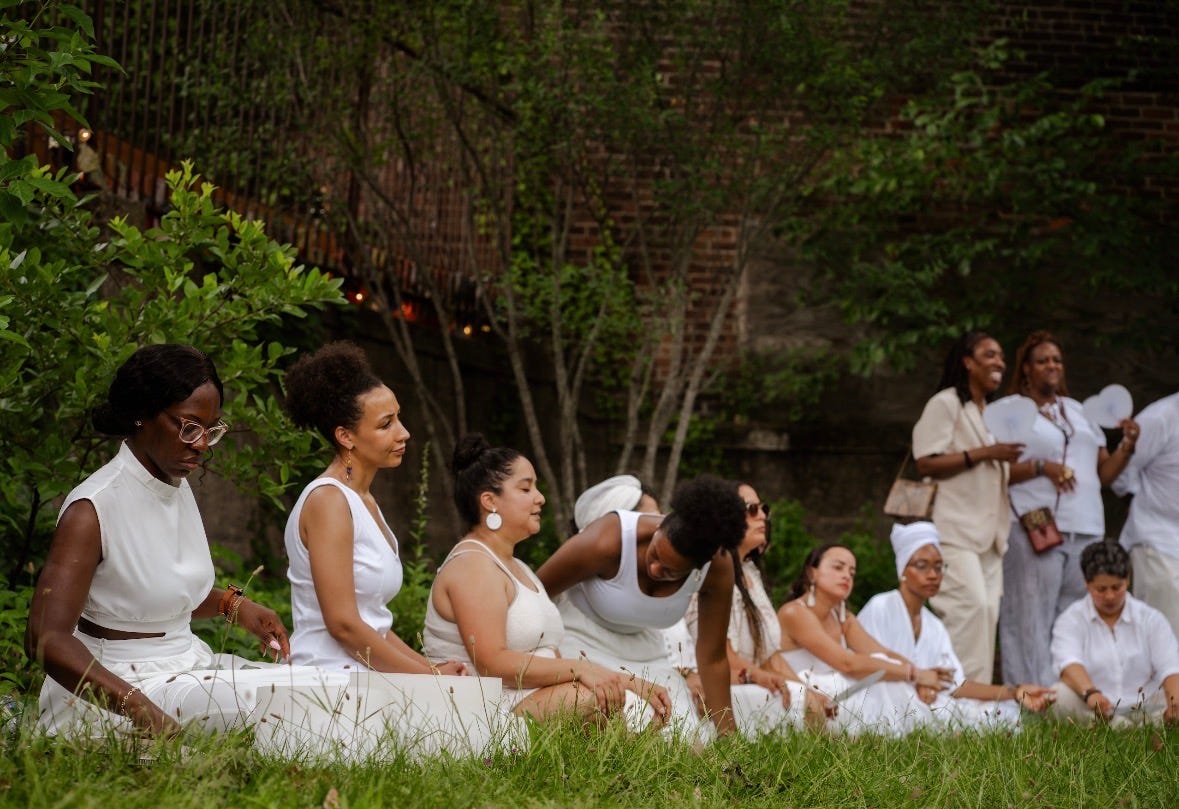
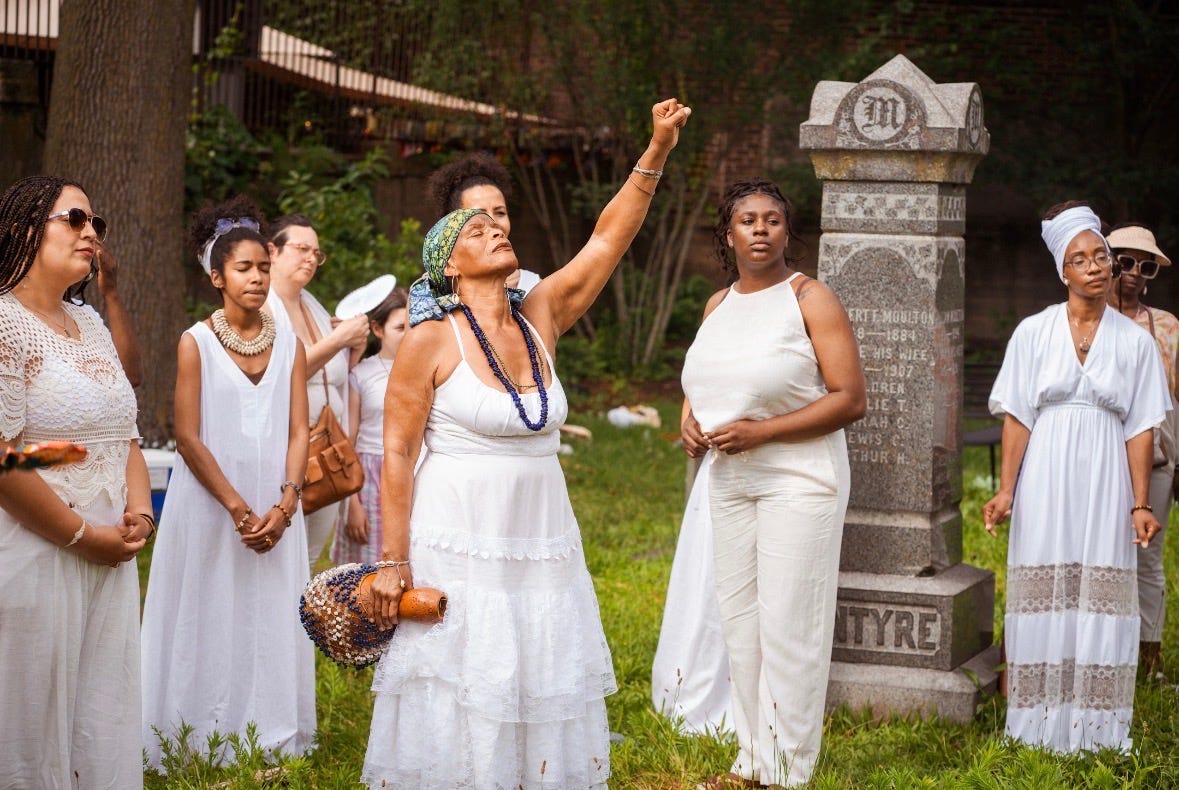
One edition of the series, created in collaboration with artist and ceremonialist Ifé Franklin, focused on the tradition of the Hush Harbor—a sacred practice born among enslaved Africans in the United States who gathered in hidden spaces to worship, heal, and reclaim their humanity beyond the surveillance of enslavement during the 1800s across the rural South.
These clandestine gatherings echoed similar refuge-seeking rituals across the African diaspora and other displaced communities worldwide, including the maroon communities that surfaced across the Caribbean and Latin America. Maroon societies were formed by formerly enslaved Africans who escaped plantation systems and carved out autonomous settlements in remote, often difficult-to-reach landscapes—dense forests, mountainous interiors, and coastal enclaves that offered both protection and possibility.
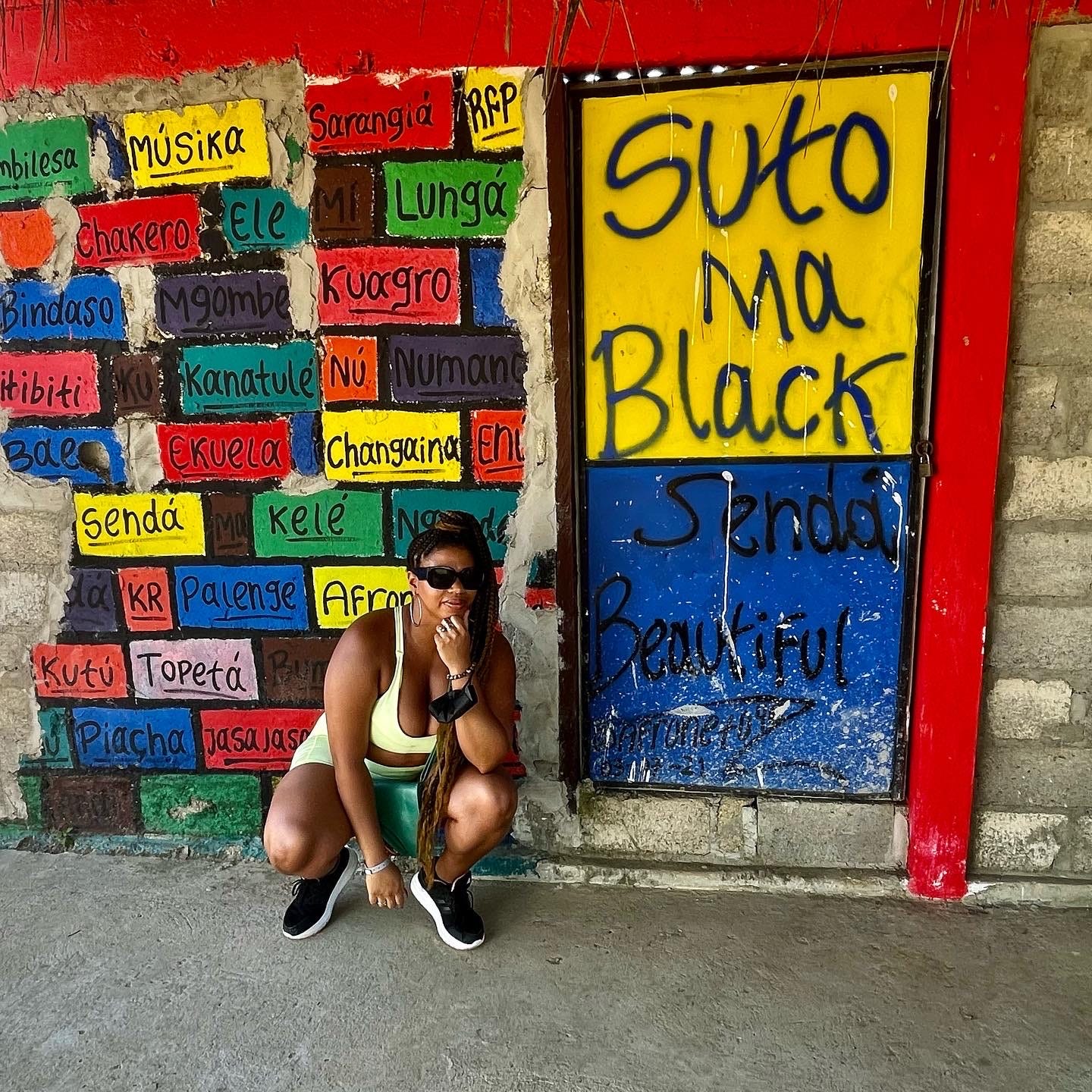
These were not simply places of hiding, but of intentional world-building: communities rooted in African and Indigenous cosmologies, governance structures, agricultural knowledge, and spiritual practices that endured despite the violence. Places like San Basilio de Palenque in Cartagena, Colombia, and the mountainous hidden valleys of Jamaica stand as powerful examples of this legacy.
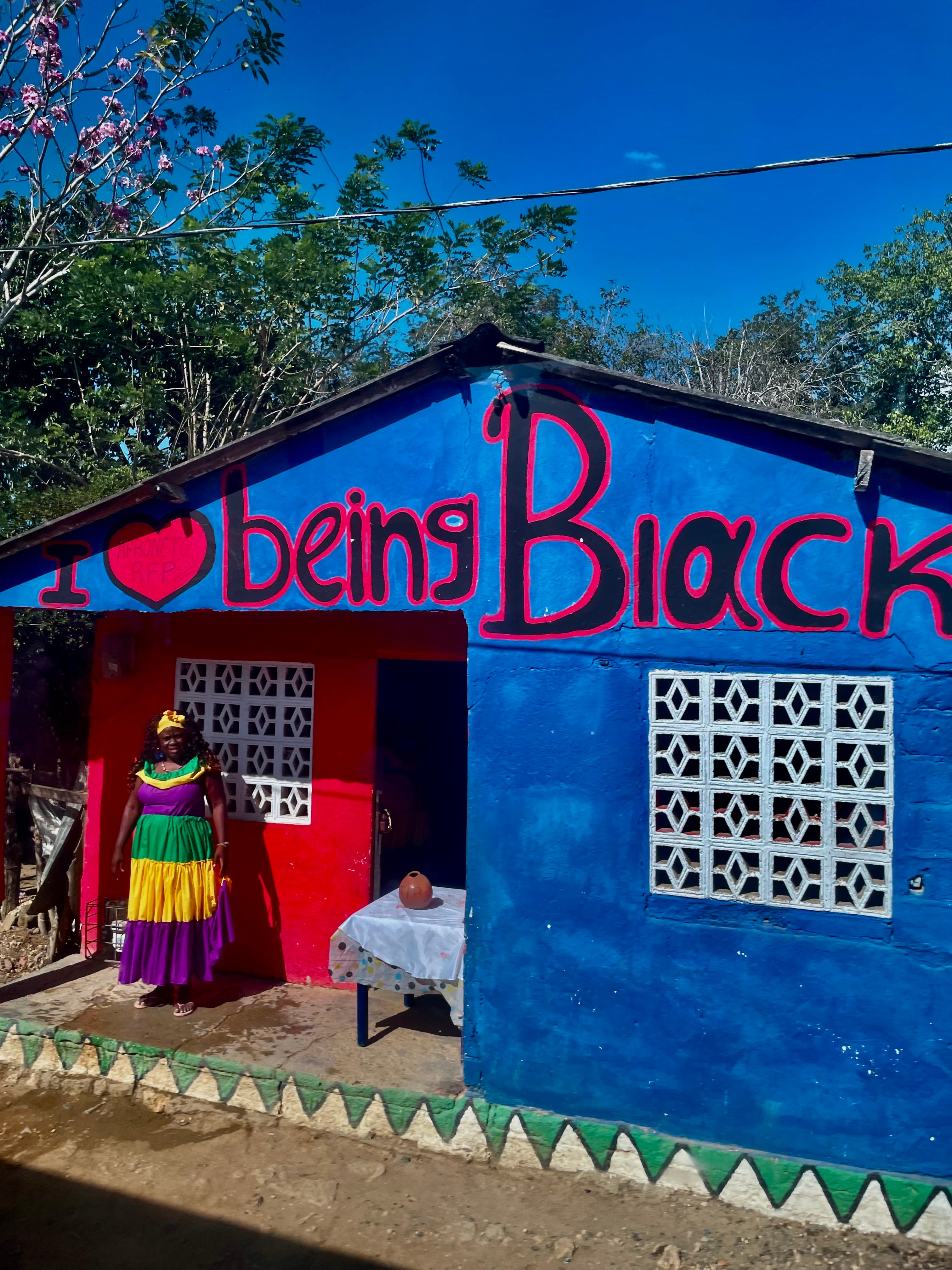
San Basilio de Palenque, often recognized as the first free African town in the Americas, became a stronghold of resistance where language, music, and healing traditions were preserved and evolved - to this day. Similarly, the maroons of Jamaica established independent societies that negotiated treaties, defended their territories, and sustained cultural practices that remain in living motion.
In these spaces, the act of gathering becomes political, spiritual, and generative: a refusal to disappear, and a commitment to sustaining identity, memory, and collective freedom across generations. Connecting with our Ancestral Lineages is born from this—an offering that invites us to gather, to listen, and to remember that we, too, are part of an unbroken continuum.
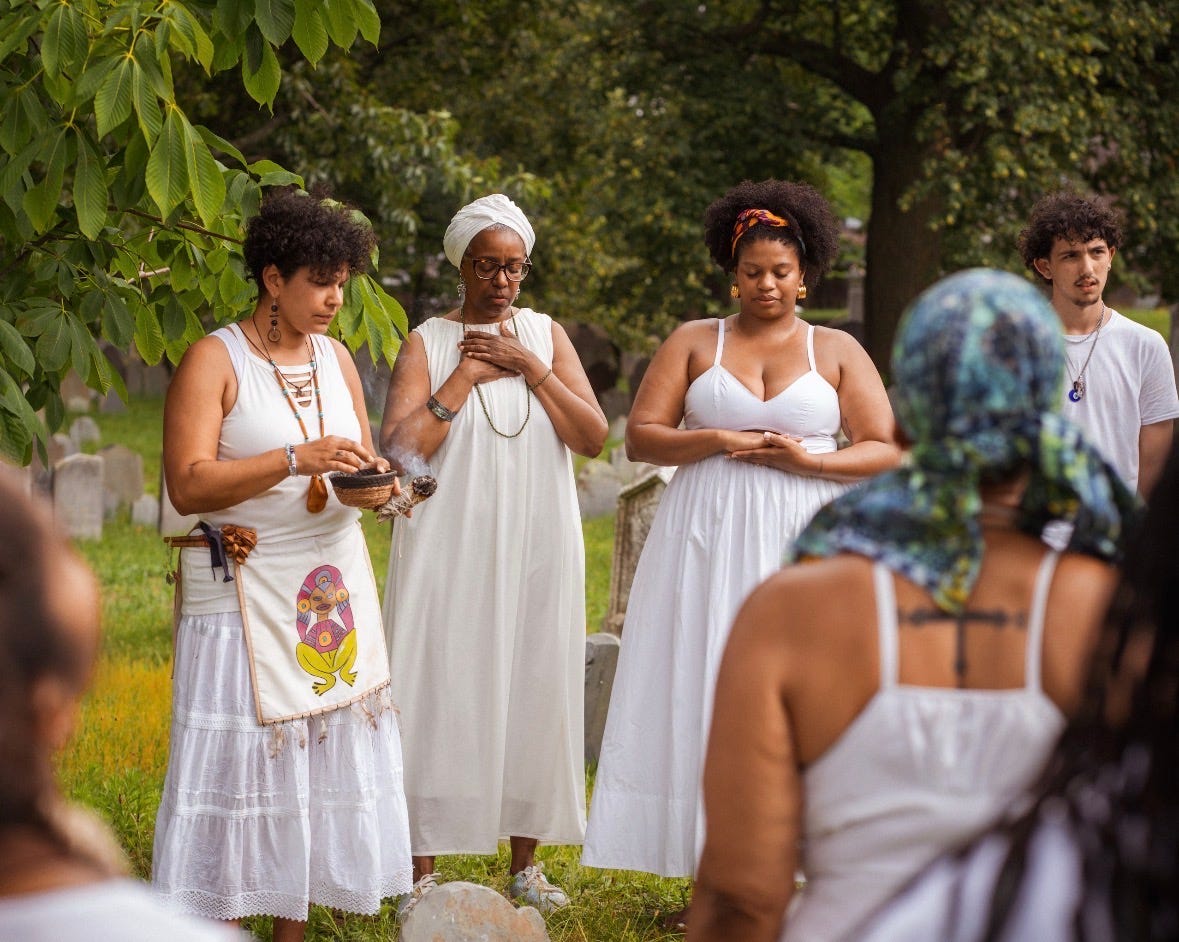
Our procession began at the Strand Theatre and moved through the neighborhood toward the Dorchester North Burying Grounds, —an almost 400-year-old site where the lives of the city’s earliest residents, both named and unnamed, are held.
There, ancestors such as Betty, Bristol, and Cambridge are laid to rest—three enslaved people whose small slate headstones sit close together, weathered but still legible, marking lives that history recorded only in fragments.
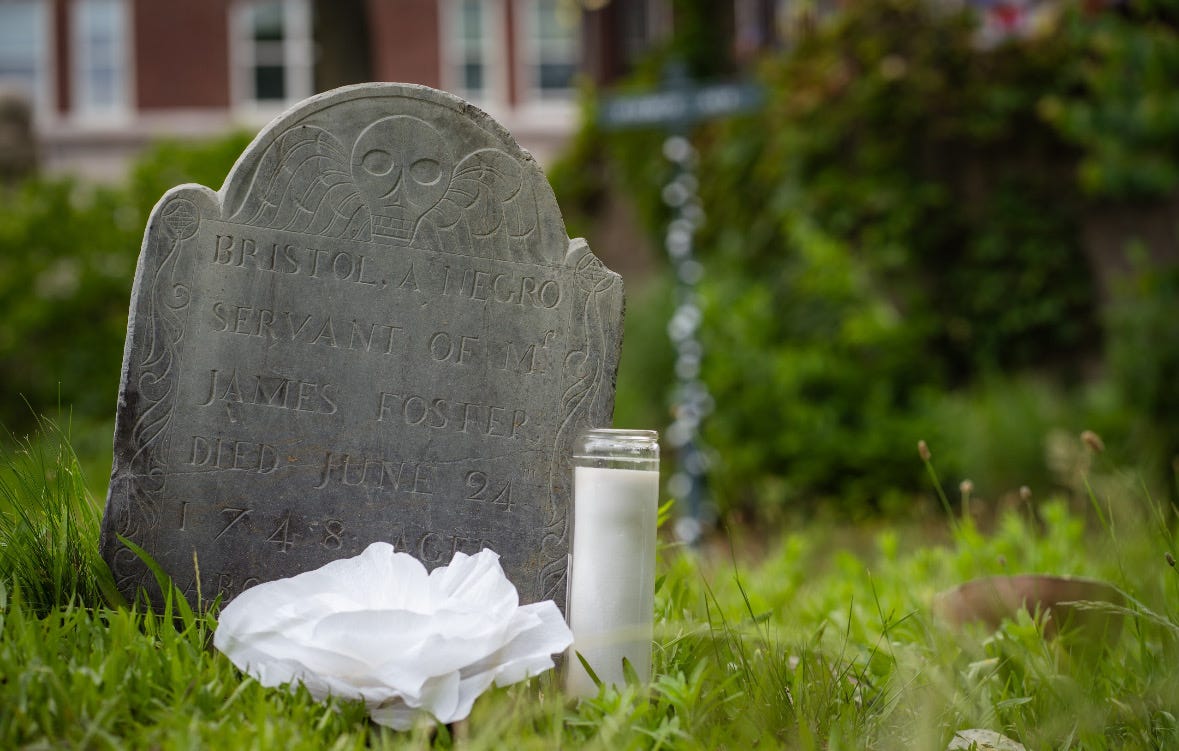
Their names endured: Cambridge, a child of only three years, Betty, a young woman, and Bristol, whose life details remain largely unknown, lived and labored in this very neighborhood—moving through the same geography we walk each day, though under vastly different conditions of being.
As we approached the grounds, the procession became a kind of bridge across time. Through song, poetry, and collective reflection, participants honored these ancestors’ lives—not as distant historical figures, but as neighbors whose presence still shapes the land beneath our feet. We wove ceremony into the geography of the city, transforming sidewalks into sacred pathways and memory into movement.
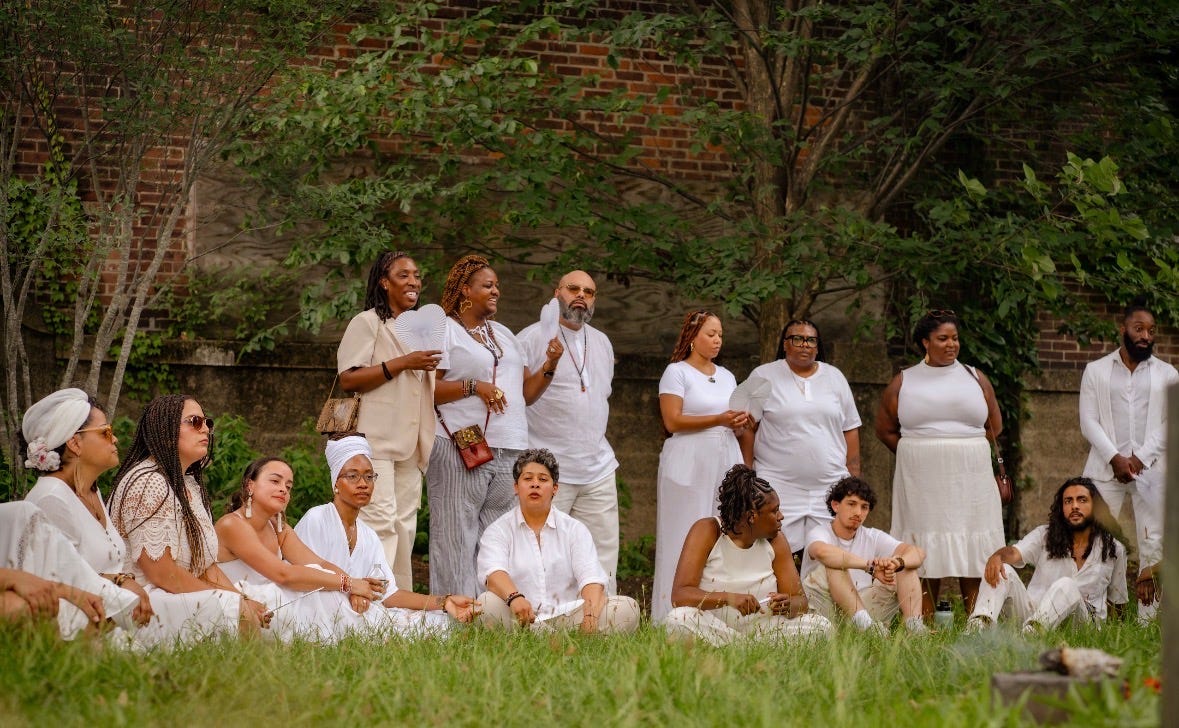
In doing so, we resisted the quiet erasure that often surrounds sites like this—places where histories of enslavement remain hidden in plain sight—and instead chose to remember, to speak their names, and to situate ourselves in relationship to their lives, their labor, and their enduring presence. Wearing all white, we walked together through public streets now transformed into a space of remembrance.
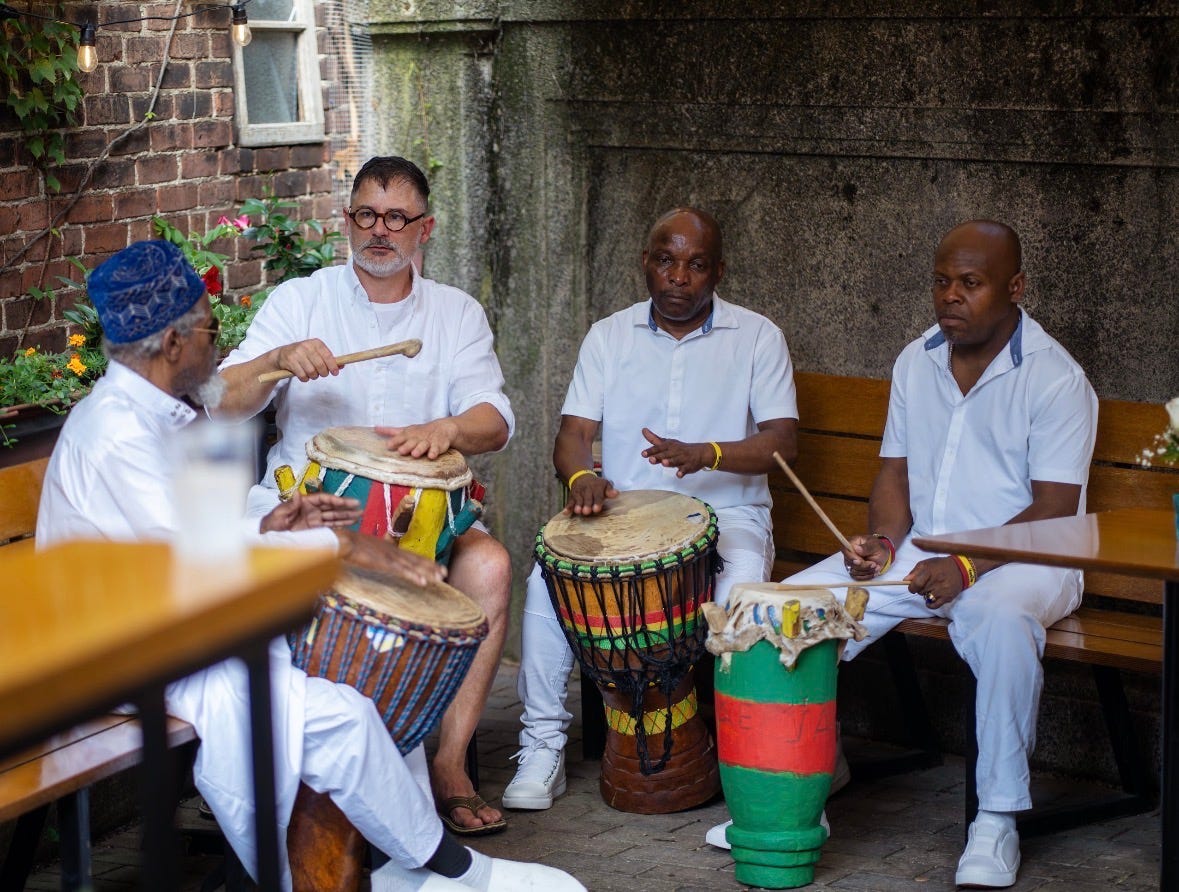
The procession concluded at Comfort Kitchen—a gathering place rooted in global culinary traditions—for a reception that uplifted the interconnectedness of diaspora foodways.
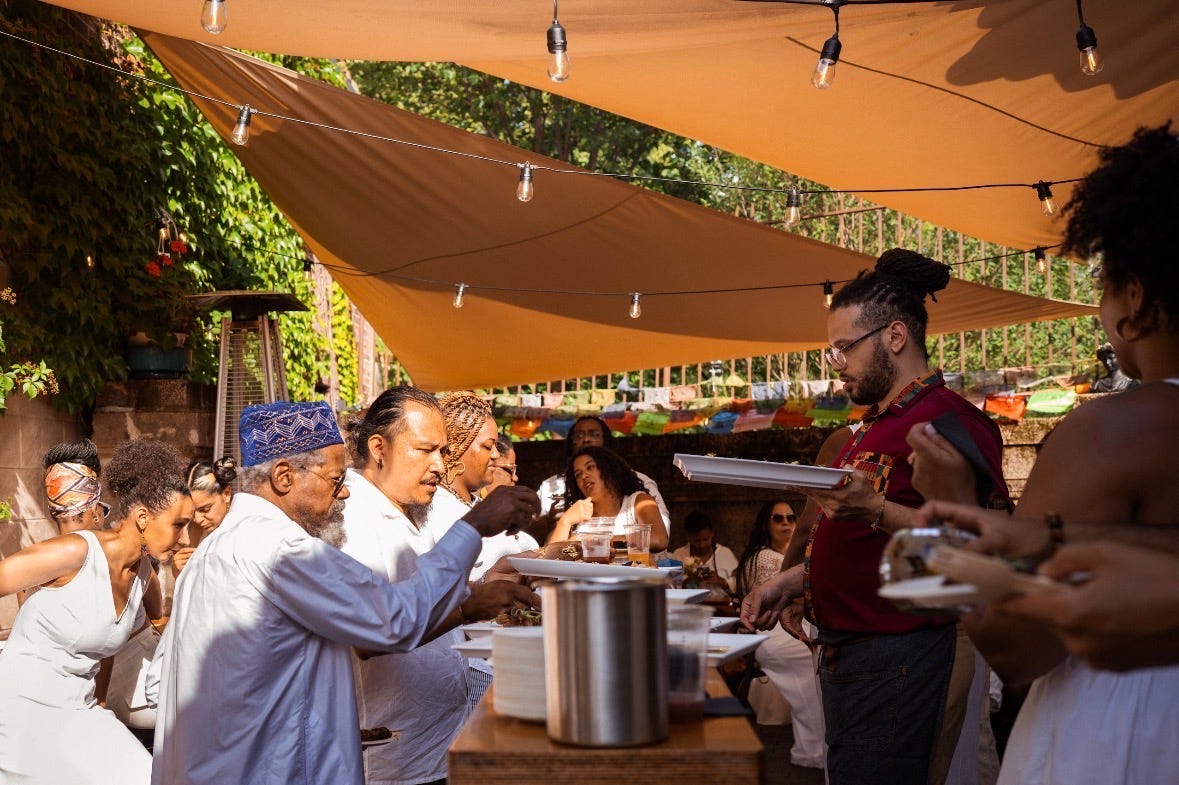
In this space, remembrance became ritual: shared plates, spoken names, and quiet gestures of care transformed the evening into an offering—one that honored those who came before us while nourishing the communities we continue to build.
Series Curator: Beya Jiménez
Restaurant Partner: Comfort Kitchen
Ceremonialist: Ifé Franklin
Sound Healing: Marlene Boyette
Support: A’Dahi Baira
Drumming Ensemble: Jean Appolon Expressions
Grant provided by: City of Boston Arts & Culture
Thank you for sharing this moment with us here ❤️